


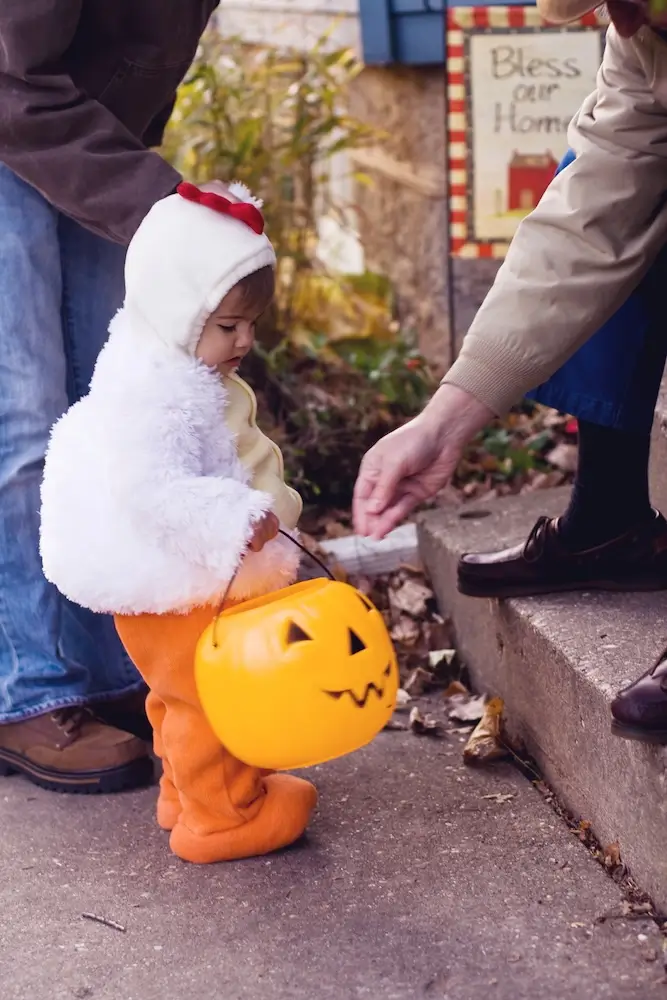
Halloween is one of the most exciting nights of the year for kids. It is also a night that calls for a little extra planning. A few simple precautions can make trick-or-treating safer for your whole family.
Why Halloween Safety Matters
Child pedestrian injuries rise on Halloween night. Kids are out after dusk, moving fast, and excited. Costumes can limit their vision. According to HealthyChildren.org, a publication of the American Academy of Pediatrics, child pedestrian injuries are more common on Halloween than on most other nights of the year. Drivers may not see a small trick-or-treater until it is too late. A little planning goes a long way toward preventing injury.
Costume Safety Checklist
Before your child heads out the door, check these details.
- Choose costumes and wigs labeled flame-resistant.
- Make sure the costume is short enough to prevent tripping.
- Skip the mask. Non-toxic face paint often gives your child clearer vision.
- Test any face paint on a small patch of skin first.
- Add reflective tape to costumes and treat bags.
- Avoid decorative contact lenses unless prescribed by an eye doctor.
These recommendations closely follow guidance from Safe Kids Worldwide, a nonprofit focused on preventing childhood injury.
Staying Visible on the Street
Pedestrian safety is one of the biggest concerns on Halloween night.
- Stick to sidewalks and well-lit streets.
- Cross only at corners and marked crosswalks.
- Carry a flashlight or glow stick after dark.
- Trick-or-treat in a group whenever possible.
- Agree on a return time before your child heads out.
- A parent or trusted adult should stay with young children.
Checking the Candy Haul
Treats need a quick check before anyone digs in.
- Wait until you are home to sort through the candy.
- Toss anything unwrapped, torn, or homemade from someone you do not know.
- Skip hard candy, gum, and whole nuts for children under four. These can be choking hazards.
Making Halloween Safer for Kids With Food Allergies
Food allergies can turn Halloween into a stressful night for some families. The Teal Pumpkin Project, run by Food Allergy Research & Education, offers a simple solution. Households place a teal pumpkin on their porch to signal that non-food treats are available.
Options like glow sticks, stickers, or small toys let every child join in safely. If your child has a known food allergy, review their emergency plan before trick-or-treating begins. Keep any prescribed epinephrine auto-injector within reach throughout the evening.
When to Call Our Office
Most Halloween nights end with tired kids and full treat bags. Occasionally, something needs a closer look.
Call 911 for:
- Difficulty breathing or swelling of the face or throat
- Loss of consciousness
- Severe bleeding
Call our office for:
- A reaction that seems allergy-related but is not severe
- A fall or injury that needs a closer look
- Any symptom that worries you
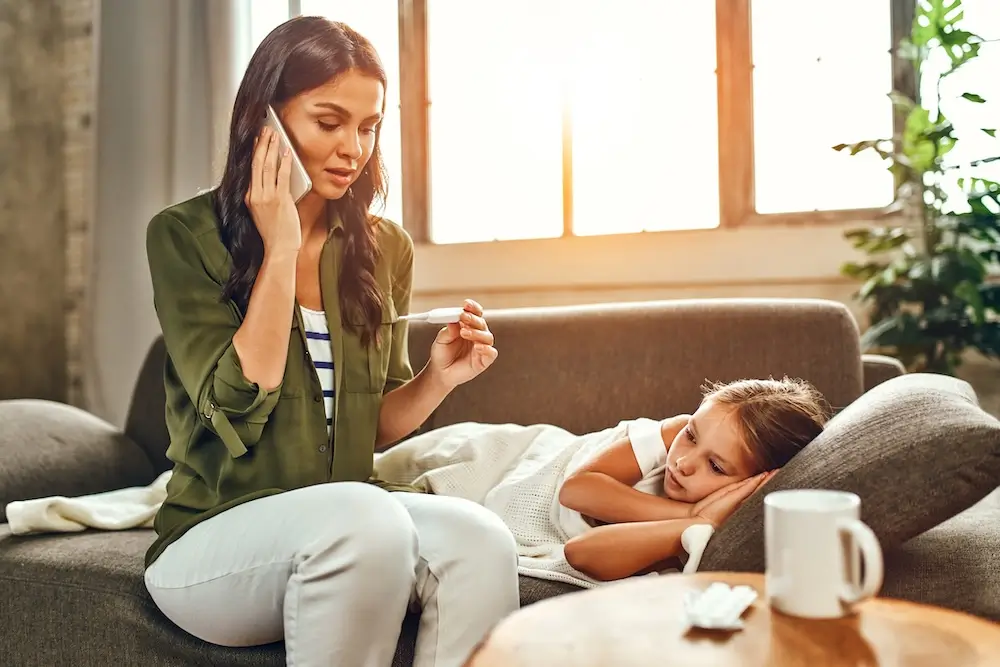
We keep separate suites for sick and well visits. Your child can often be seen quickly, without exposing well-child patients to illness. Call (914) 761-1717 if you need us. We’re accepting new patients.
Medical Disclaimer: This post is for informational purposes only. It does not constitute medical advice. Please consult your child’s pediatrician with questions about their specific health needs.


